EURUSD

USDJPY

USDCHF

GBPUSD

AUDUSD

USOil
UKOil

XAUUSD

XAGUSD

SPX500

US30

NAS100

GER30

UK100
Trade Smart. Dominate Markets. Explode Profits Instantly.
Forget ordinary brokers — Uniglobe Markets delivers speed, power, and precision unmatched in the industry.
Trade smarter with technology built to dominate markets and spreads designed to fuel your profits.
- Zero Commission Trading — Keep 100% of your gains, no hidden fees
- Access 200+ Instruments — Forex, Stocks, Commodities, Indices & Cryptos all in one place
- Instant Deposits & Withdrawals — Fast, hassle-free funding anytime, anywhere
- Advanced Trading Platforms — MT5 with cutting-edge tools at your fingertips
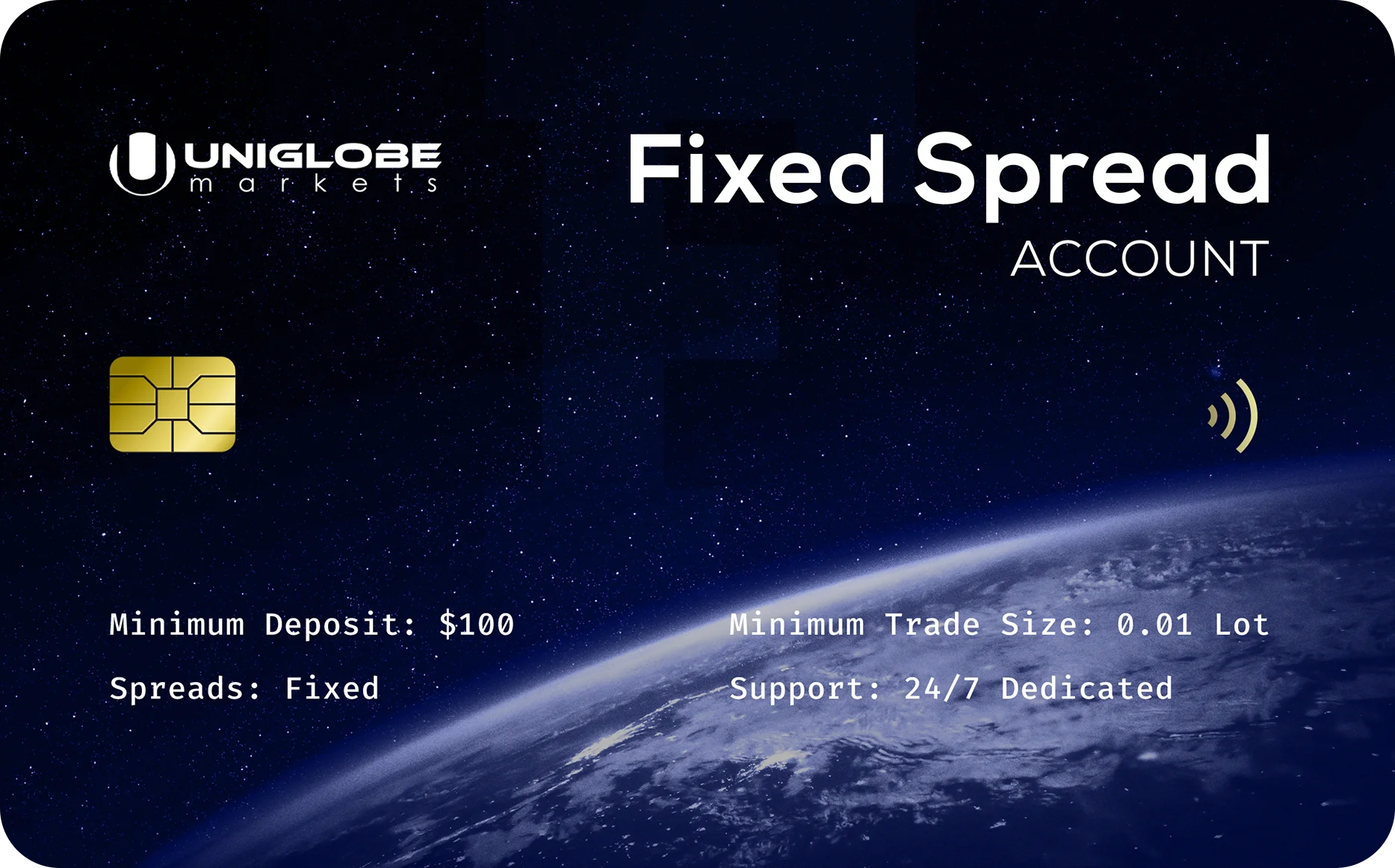
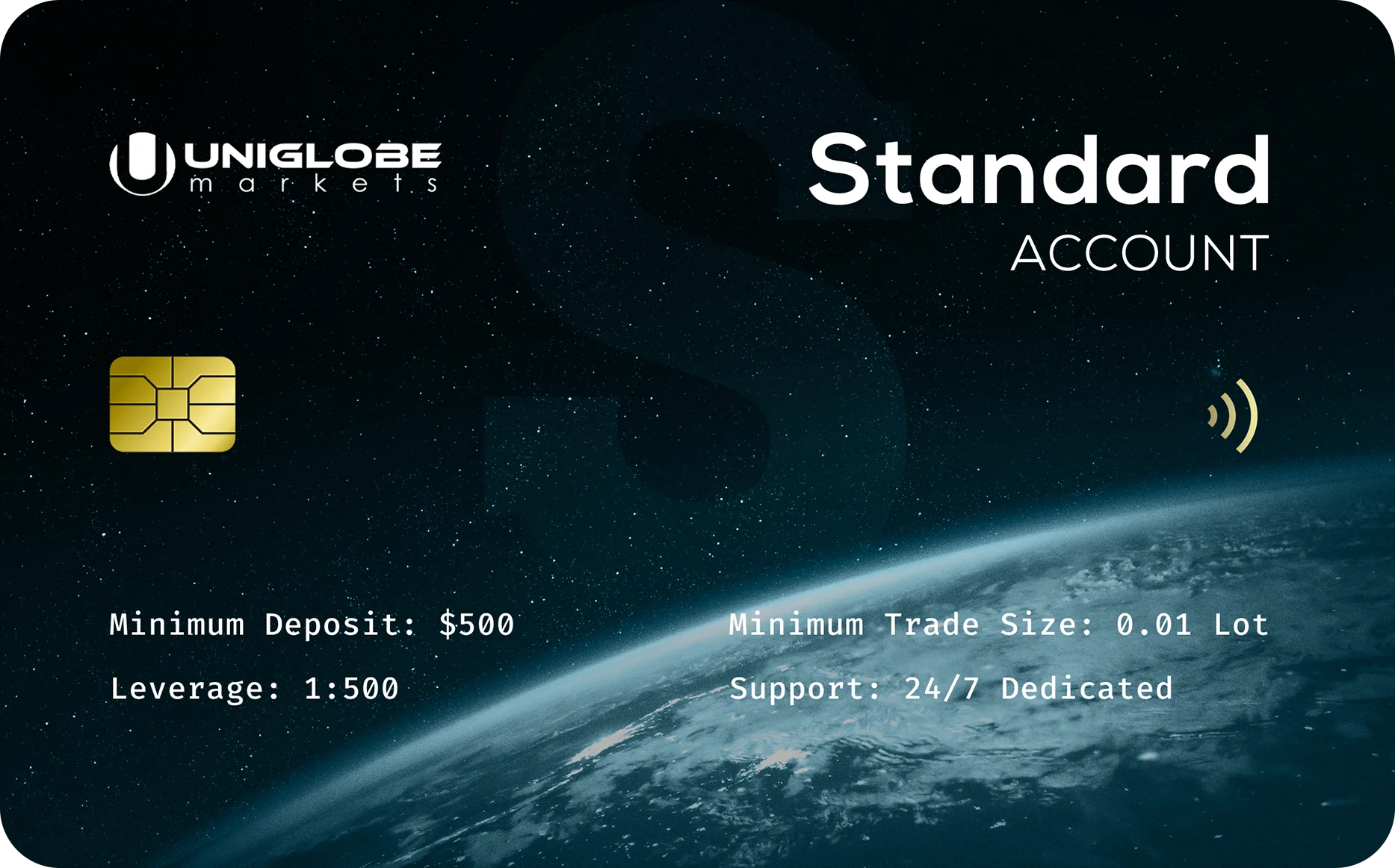
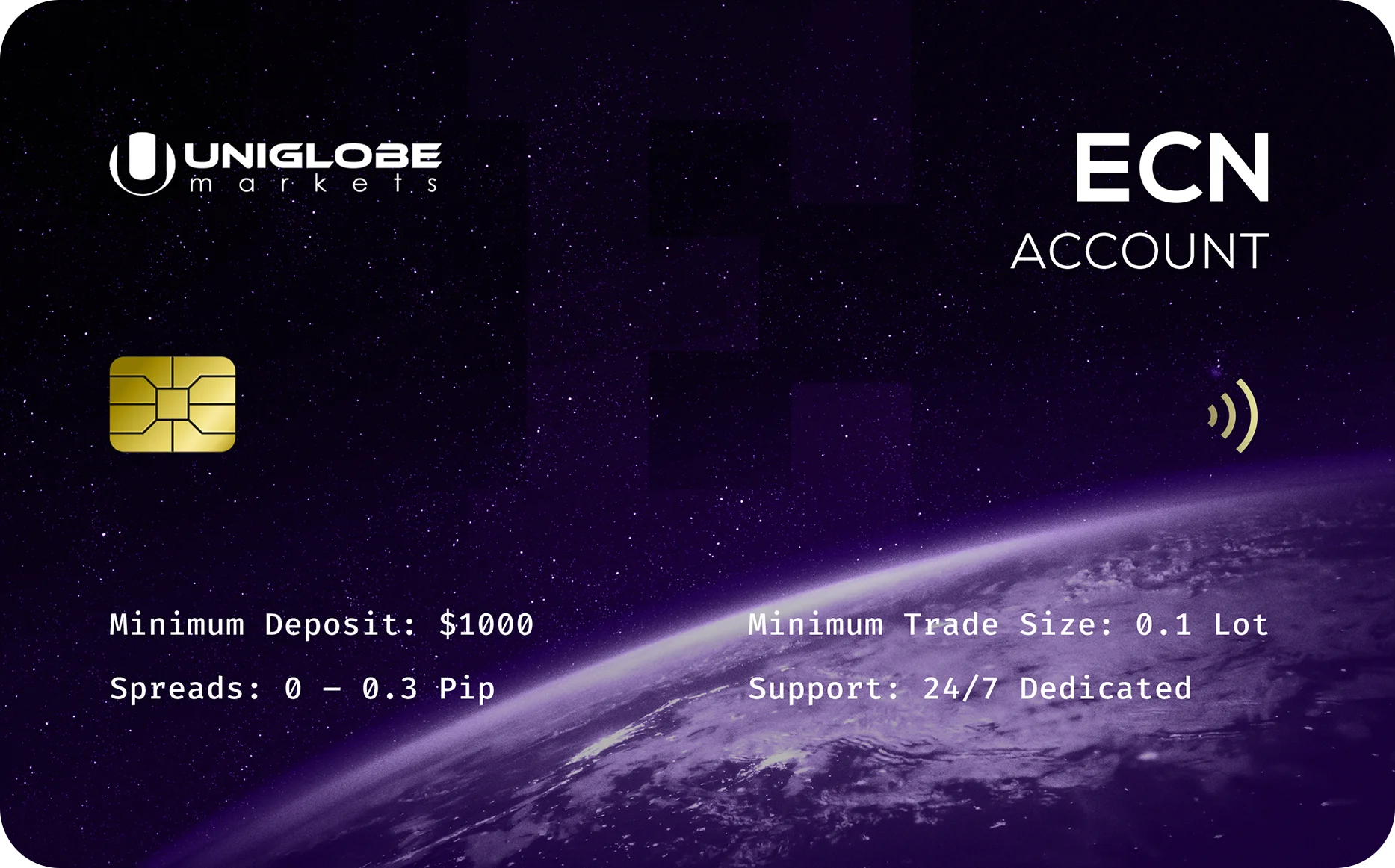
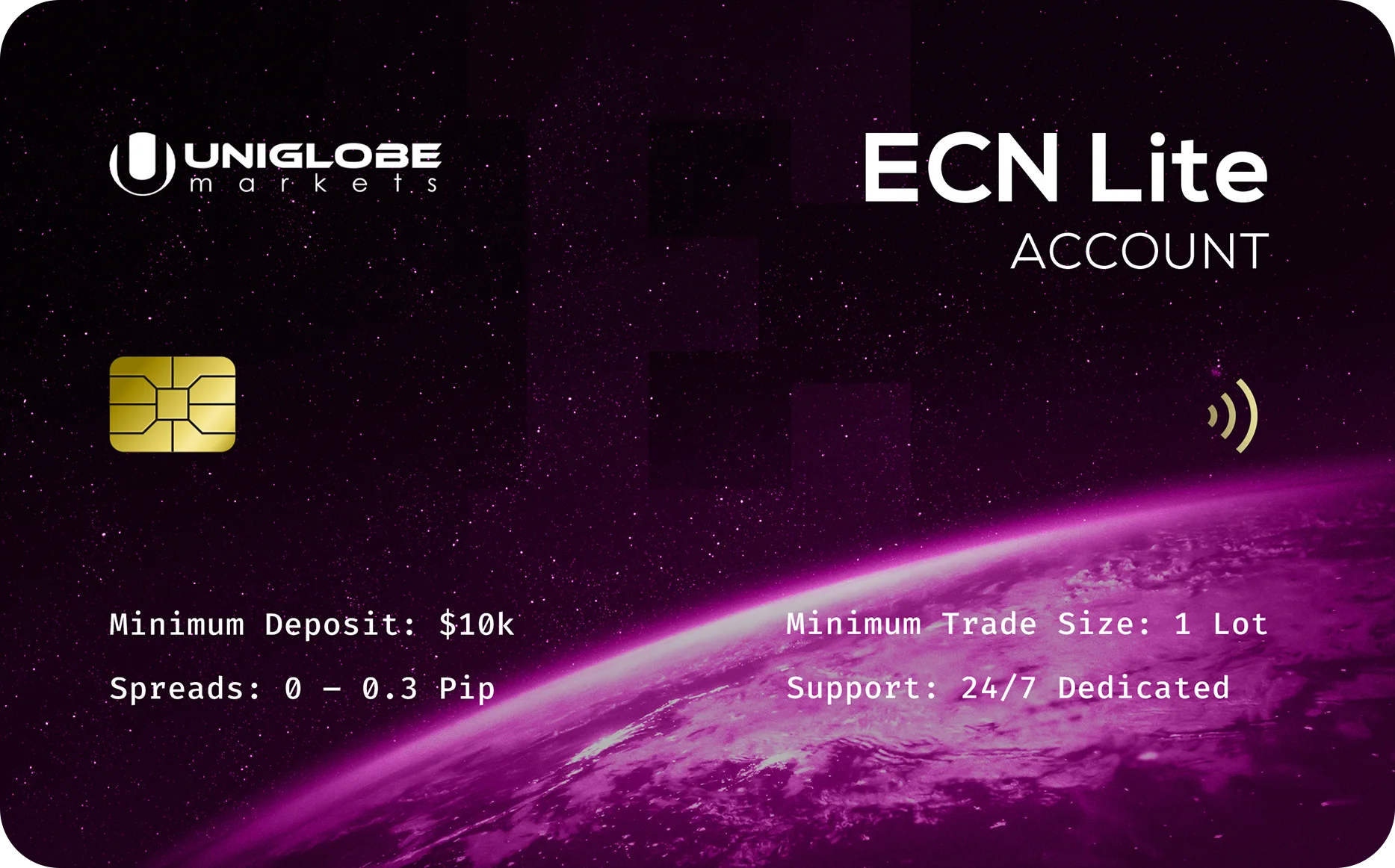
See Every Move.
Trade Every Opportunity with Real-Time Market Insights.
Stay ahead with our real-time live charts — track market trends, spot entry points, and execute trades with precision and speed. Your success starts with the right data at your fingertips.
 Most Traded
 Forex
Forex Commodities
 Indices
 Shares
 Crypto Currencies
Know Your Margin Before You Trade
Use our Margin Calculator to quickly determine the required margin for your trades. Select a currency pair, enter your trade size, and choose your leverage to see how much margin you need to open a position.
All Markets. One Platform.Unmatched Power.
Dominate your portfolio with a single account. Trade 100+ products—Forex, Share CFDs, Commodities, Indices, Metals, and more—on Uniglobe Markets’ lightning-fast MT5 platform.
- Forex
- Commodities
- Indices
- Share CFDs
- Crypto Currencies

Forex
Exploit ultra-tight spreads and deep liquidity on major, minor, and exotic currency pairs profitably.
Read More
Commodities
Trade precious metals like gold and silver with sharp pricing and flexible long or short positions.
Read More
Indices
Seize price movements on leading global indices with quick execution and diversified market access.
Read More
Share CFDs
Trade global stocks without ownership, gaining flexible exposure to top-performing companies worldwide.
Read More
Crypto Currencies
Ride volatile crypto markets 24/5, leveraging powerful tools to maximize gains on major digital assets.
Read More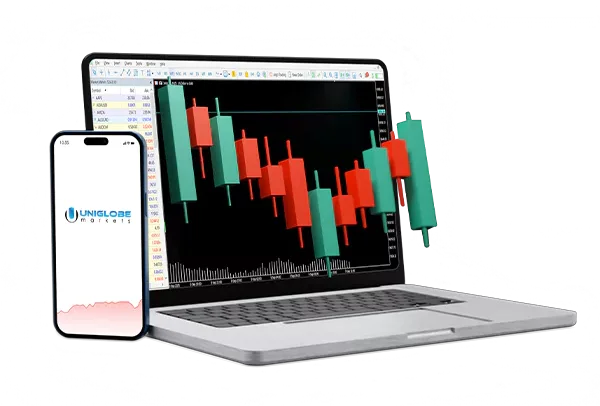
Trade Anytime, Anywhere with Powerful Platforms
Stay in control with our advanced trading platforms - designed for seamless performance on any device.
- Seamless Trading
- Real-Time Alerts
- Easy Deposits
Copy Success. Multiply Profits. Trade Like The Best.
Join thousands of traders copying winning strategies in real time. Minimize risk and maximize gains with proven experts at your side.
Real-time copying
Verified traders
Automated profits
Risk control
Why Choose Uniglobe?
Because You Deserve Market Domination.
Experience unmatched trading power, razor-thin spreads, lightning-fast execution, and global support designed to boost your profits relentlessly.

Ultra-Low Spreads
Keep costs razor-thin with unbeatable pricing across all markets.

Lightning Execution
Instant order processing with zero delays or requotes.

Diverse Markets
Trade Forex, CFDs, commodities, indices, metals, and cryptocurrencies.

Advanced Platforms
Seamless trading on MetaTrader 5 platforms.

Global Regulation
Regulated by top-tier authorities for your peace of mind.

Secure Funds
Client funds fully segregated and protected at all times.

Flexible Leverage
Maximize potential with leverage up to 1:1000 across products.

Competitive Commissions
Low fees and zero hidden charges on every trade.

Innovative Tools
Access cutting-edge charts, analytics, and trading signals.

Fast Withdrawals
Withdraw your profits quickly with multiple payment options.

Affiliate Programs
Earn generous commissions through our partner and IB programs.

24/7 Support
Expert assistance available anytime, anywhere, whenever you need it.
Dominate Markets with Real-Time Technical Analysis
Stay ahead of every market move with Uniglobe’s cutting-edge technical tools, expert insights, and lightning-fast data—empowering you to trade smarter, faster, and stronger.
- Advanced Charting Tools
- Instant Market Signals
- Expert Analyst Insights
- Real-Time Data Feed
Uniglobe Markets: Powering Traders Worldwide with Proven Excellence
For over 11 years, Uniglobe Markets has delivered lightning-fast execution, ultra-low spreads, and relentless support—empowering millions to dominate markets with confidence and precision every single day.
Years of Industry Expertise
Clients Worldwide
Regions Covered
Partners Worldwide
Pips Tight Spreads
Support Available
Start Trading in Minutes — Fast, Simple, Ready
Open your Uniglobe Markets account quickly and effortlessly. From registration to live trading, we make sure you’re set up in no time—no hassles, just pure trading power.
Trade with Confidence – Leave the Rest to Us
Trade confidently while we safeguard your funds, ensure ultra-fast deposits and withdrawals, provide 24/7 expert support, and deliver seamless, secure trading — so you focus solely on winning.
- Funds Segregated and Protected
- Instant Deposits and Withdrawals
- Seamless Secure Trading Experience
- 24/7 Dedicated Expert Support